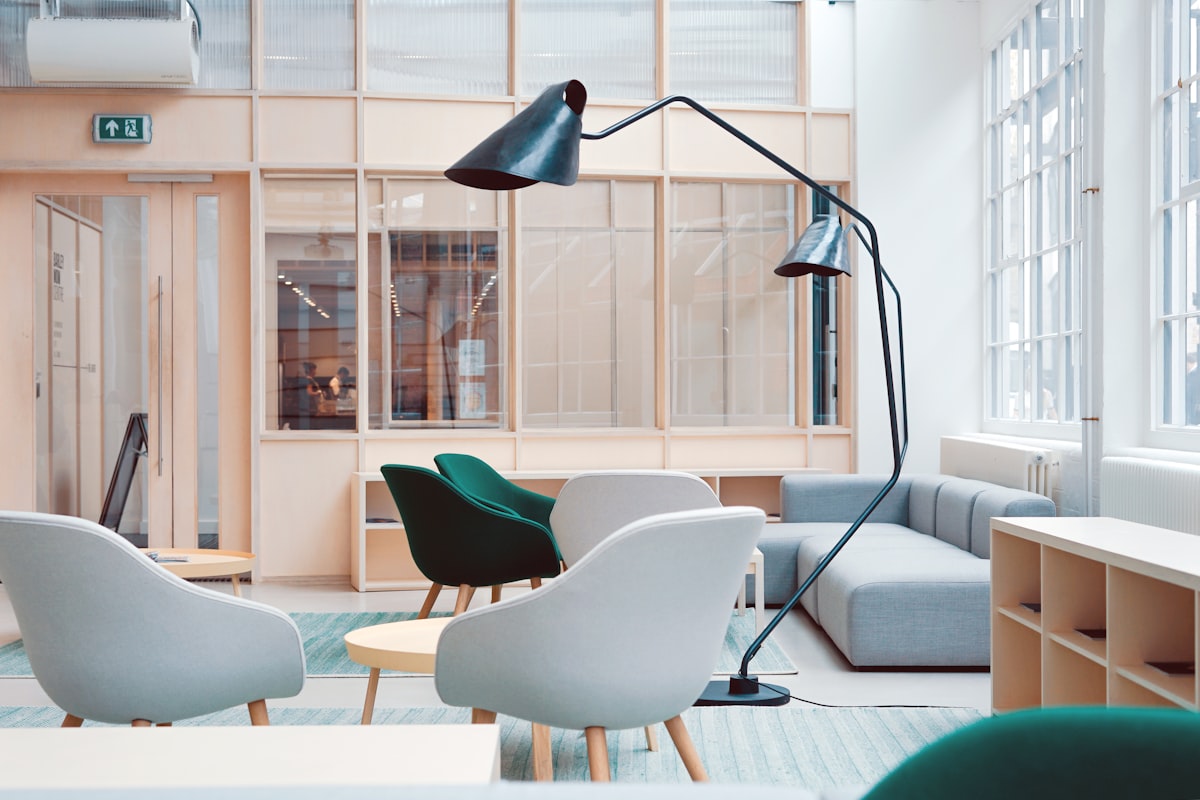
Colour is the single most powerful tool in an interior designer's kit. It sets the emotional temperature of a room before a single piece of furniture is noted. It can make a small room feel generous, a dark room feel bright, a formal room feel welcoming, and a chaotic room feel calm. Yet colour is also the element that most homeowners feel least confident about — often defaulting to safe, generic whites and greys out of fear of getting it wrong. This guide is designed to change that.
Understanding Colour Psychology
Before choosing any colour for your home, it helps to understand how colour actually affects mood and behaviour. This field, known as environmental colour psychology, is well researched and has direct practical implications for how we design rooms.
- Warm colours (reds, oranges, yellows, warm whites): Stimulating and energising. They advance visually, making walls feel closer and spaces feel more intimate. Excellent in dining rooms and social spaces; use cautiously in bedrooms.
- Cool colours (blues, greens, blue-greys): Calming and receding. They make spaces feel larger and more serene. Ideal for bedrooms, bathrooms, studies, and meditation spaces.
- Neutral colours (whites, creams, taupes, greiges): Flexible and background-providing. Their temperature (cool or warm) dramatically affects how they feel — always assess neutrals in your specific room and lighting before committing.
- Deep, saturated colours (forest green, navy, charcoal, plum): Not oppressive when used confidently. In well-lit rooms, they create atmosphere and sophistication. In poorly lit rooms, they can feel claustrophobic.
The 60-30-10 Rule
The 60-30-10 rule is the foundational principle that professional designers use to create balanced, visually harmonious colour schemes. It works as follows:
- 60% — the dominant colour: This is your main background colour, typically applied to walls and large floor coverings. It sets the overall tone of the room.
- 30% — the secondary colour: Applied to upholstered furniture, curtains, and large accessories. It creates contrast and visual interest against the dominant colour.
- 10% — the accent colour: Applied to cushions, artwork, vases, lamp shades, and small accessories. This is where you introduce boldness, warmth, or unexpected vibrancy.
The power of this rule is that it creates variety without visual chaos. The dominant colour grounds the room, the secondary colour creates depth, and the accent colour adds personality — in exact proportions that the eye finds naturally pleasing.
Our Favourite Colour Palettes for 2026
1. Warm Terracotta + Cream + Antique Brass
This palette draws on the warmth of Mediterranean architecture and the timelessness of natural materials. A terracotta accent wall (ideally a muted, slightly dusty terracotta rather than a vivid orange-red) pairs beautifully with cream or warm white upholstery, linen window treatments in pale oat, and brass or bronze hardware. Introduce the brass accent in lamp bases, decorative objects, and frame details.
2. Forest Green + Natural Oak + Warm White
Green is the dominant colour story of the decade, and forest green in particular offers a sophisticated alternative to the overused sage. Paired with the warmth of natural oak furniture and a crisp warm white on ceilings and woodwork, this palette feels timeless, natural, and luxurious. It works in living rooms, bedrooms, and studies with equal success.
3. Navy Blue + Aged Linen + Soft Gold
A classic combination that never feels dated when executed with restraint. Navy on lower walls or in panelling, with aged linen fabrics on upholstery and curtains, and soft gold accents in lighting and accessories. This palette suits formal living rooms, master bedrooms, and studies — anywhere that benefits from a sense of weight and sophistication.
Room-by-Room Colour Recommendations
Living Room
The living room is typically the most public-facing room in the home and should reflect your personality while remaining welcoming to guests. Warm neutrals (greige, soft terracotta, warm cream) work well as dominant colours, with a bolder accent wall in a saturated tone if the room receives good natural light. Avoid cool blues or greys unless the room is south-facing and genuinely warm.
Bedroom
The bedroom should prioritise rest and calm. Cool, muted tones — pale sage, soft blue-grey, dusty lavender, warm white — create the psychological conditions for sleep and relaxation. If you love bold colour, introduce it through bedding, art, and accessories rather than walls, which surround you on all sides during your most vulnerable hours.
Kitchen and Dining Room
Kitchens and dining rooms benefit from energising, appetite-stimulating colour psychology. Warm tones — terracotta, warm yellow, olive green, deep rust — work particularly well. Deep, saturated cabinet colours in dusty green, navy, or charcoal have become extremely popular in kitchen design and create a dramatic contrast with lighter worktop and splashback surfaces.
Hallway
The hallway is the first and last impression of a home — and is frequently treated too conservatively. As a transitional space, it can bear more dramatic colour treatment than main living areas. Consider a deep tone — forest green, midnight blue, rich terracotta — which creates a sense of arrival and anticipation as you move into lighter spaces beyond.
Home Office
Research shows that colour affects cognitive performance. Green is associated with creativity and sustained concentration, making it an excellent choice for studies and home offices. Blue is associated with productivity and focus. Avoid high-stimulation reds and oranges, which are energising but can increase anxiety in work environments.
"Colour is not decoration — it is architecture. The right colour shapes the experience of a room as profoundly as any piece of furniture or fitting." — Priya Sharma, Senior Interior Designer
The Most Common Colour Mistakes (and How to Avoid Them)
- Choosing colour from a small chip: A paint colour that looks beautiful as a postage-stamp-sized chip will look 10 times more saturated on four walls. Always test with a large sample (at least A4 size) and observe it at different times of day.
- Ignoring the undertone: White is never just white. Most whites have a pink, yellow, blue, or green undertone — and these undertones interact profoundly with your flooring, furniture, and light quality. Assess undertones carefully before committing.
- Matching everything too precisely: Rooms that feel flat often suffer from over-coordination — every element in exactly the same tone. Introduce contrast and variation within your palette to create depth and visual interest.
- Forgetting the ceiling: The ceiling is the fifth wall and has a significant impact on a room's perceived height and warmth. A ceiling painted one shade lighter than the walls feels slightly higher; a ceiling painted the same tone as the walls creates a cocooning effect that can be deeply comfortable in the right space.
Getting Professional Colour Advice
Our design team includes specialists in environmental colour psychology who can assess your specific spaces — considering natural and artificial light, existing furniture and flooring, room proportions, and your personal colour sensibilities — and recommend specific paint colours, fabric palettes, and material combinations that will create the exact atmosphere you are looking for. This service is included in our free design consultation, which is available to all prospective clients across the United Kingdom. Contact us to book your session today.