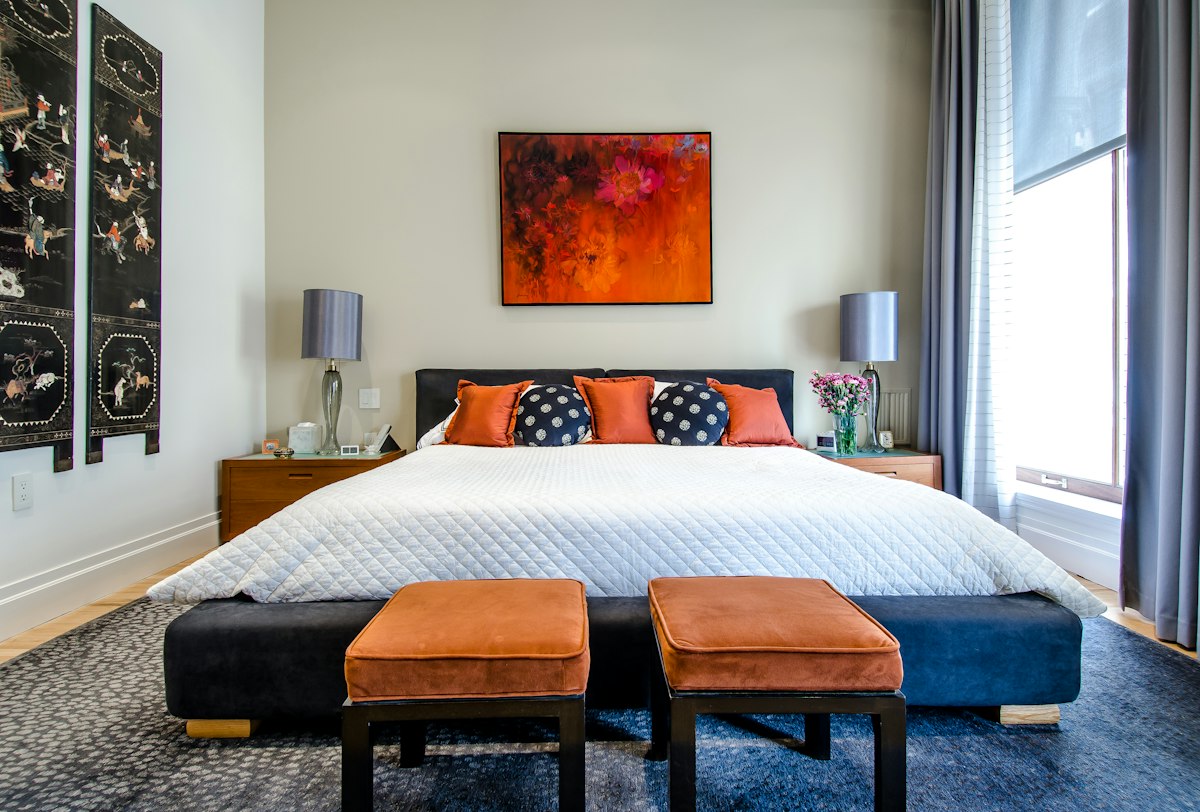
A small bedroom does not have to feel cramped, cluttered, or compromised. With the right furniture choices, storage strategies, and design techniques, even the most modest bedroom can be transformed into a genuinely beautiful and functional personal sanctuary. At Elite Home Interiors, we have designed hundreds of small bedroom spaces over the past 15 years, and these are the strategies that consistently deliver the most remarkable transformations.
1. Invest in a Bed with Integrated Storage
The bed is the single largest piece of furniture in any bedroom, which means it is also the greatest opportunity for hidden storage. Ottoman beds — which lift on a gas-assisted mechanism to reveal a cavernous under-mattress storage compartment — are one of the most effective solutions we offer. A good ottoman bed can store an entire winter wardrobe, spare bedding, suitcases, and more, completely out of sight and without adding a single centimetre to the floor footprint.
Divan bases with built-in drawers are an alternative for those who prefer not to lift a mattress: they typically offer two to four large drawers on the sides, providing excellent everyday-access storage for clothing, linen, and accessories. Both options are available in our standard and custom-sized ranges, meaning they can be made to fit even irregular room dimensions precisely.
2. Choose Fitted Wardrobes Over Freestanding
Freestanding wardrobes, however beautiful, always lose space to the gap at the top, the gap at the sides, and the space around irregular wall features. Fitted wardrobes — designed to fill a wall from floor to ceiling and side to side — reclaim every centimetre. They also allow for a fully customised interior configuration: tall hanging for dresses and coats, double hanging for shirts and jackets, pull-out trouser racks, shoe shelving, and integrated lighting that activates when the door opens.
In smaller bedrooms, fitted wardrobes often allow the removal of a separate chest of drawers and dressing table, replacing three pieces of furniture with one seamlessly integrated unit that makes the room feel dramatically larger.
3. Embrace Vertical Space
Most people think horizontally when planning bedroom storage, but the vertical dimension is frequently underutilised. Consider:
- Floating shelves above the bed for books, plants, and decorative objects
- Tall, slim bedside cabinets rather than low, wide alternatives
- Wardrobes that reach the full ceiling height rather than stopping at 2.1 metres
- Hanging pendants or wall-mounted lighting to free up bedside table surfaces
- A loft bed or raised platform bed in children's rooms to create activity space beneath
4. Use Mirrors Strategically
Mirrors are one of the most powerful tools in a small room. A large mirror on one wall — ideally opposite a window — visually doubles the perceived depth of the room and reflects light to make the space feel brighter and more open. Full-length mirrored wardrobe doors are particularly effective: they perform the function of a wardrobe door while simultaneously expanding the visual space of the room.
The key is to position mirrors so that they reflect something attractive — a window, a well-styled area of the room — rather than a cluttered corner. Mirrors that reflect more mirrors create a dizzying infinity effect that actually makes a room feel less restful, so position them thoughtfully.
5. Choose a Light Colour Palette
Colour has a profound effect on how spacious a room feels. Pale, warm tones — cream, soft white, warm greige, pale sage — reflect light and create a sense of expansiveness. Darker tones absorb light and can make a small room feel oppressive rather than intimate. In a compact bedroom, we generally recommend keeping walls, ceiling, and large upholstered surfaces in a light base palette, and introducing depth through textiles, artwork, and decorative accessories.
"In a small bedroom, light is your most valuable asset. Everything else — furniture, colour, storage — should be chosen to protect and amplify it." — Priya Sharma, Senior Interior Designer
6. Select a Bed Frame with Visual Lightness
A heavy, solid wooden bed frame with a large footboard and a tall headboard takes up significant visual weight in a small room, even if its physical dimensions are standard. In contrast, a bed frame with slim legs (allowing the floor to be seen beneath), a slim metal frame, or a floating platform base with no legs visible, will make the room feel more open. Choose a headboard height appropriate to the ceiling height — a statement 1.5 metre headboard looks magnificent in a room with 3 metre ceilings, but overwhelming in a standard 2.4 metre bedroom.
7. Install Wall-Mounted or Floating Bedside Tables
Traditional bedside tables stand on the floor and occupy floor space. Wall-mounted or floating bedside shelves — attached directly to the wall at the correct height — achieve the same function without touching the floor, making the room feel more spacious and easier to clean. Slim floating shelves (30–40 cm deep) are sufficient for a lamp, a book, phone, and a glass — everything most people actually need at bedside.
8. Declutter Ruthlessly and Store Thoughtfully
The most beautifully designed bedroom will feel cramped if it is filled with items that do not belong there. Clutter is the primary enemy of small-room design. Before purchasing any new furniture, spend time auditing what is actually stored in your bedroom and asking honestly whether each item belongs there or should be relocated. A bedroom performs best as a sanctuary — not a storage depot — so items that belong in a study, bathroom, utility room, or wardrobe should be systematically removed.
9. Use Under-Bed Storage for Seasonal Items
Even without an ottoman bed, the space under a standard bed frame offers useful seasonal storage potential. Invest in quality flat storage boxes or vacuum-compression bags for bulky seasonal items (winter duvets, spare pillows, holiday luggage) and slide them under the bed. In rooms where the under-bed area is visible, choose boxes in a consistent colour or material (natural wicker, linen-covered) to maintain a calm, ordered aesthetic rather than a chaotic one.
10. Keep Surfaces Clear and Intentional
In a small bedroom, each surface — the bedside table, the chest of drawers, the window sill — should feature only items that are either functional or genuinely beautiful. The discipline of "one in, one out" — where adding a new decorative object requires removing an existing one — is a practical way to maintain the calm, uncluttered aesthetic that makes small spaces feel generous. A small bedroom with clear surfaces and excellent storage can feel far more luxurious than a large bedroom in disorder.
Ready to Transform Your Bedroom?
Our bedroom design specialists offer free in-home consultations across the United Kingdom. We will measure your space, understand your storage requirements, and design a fitted wardrobe, bed, and storage solution that maximises every centimetre — without ever compromising on quality or style. Contact us today to arrange your consultation.