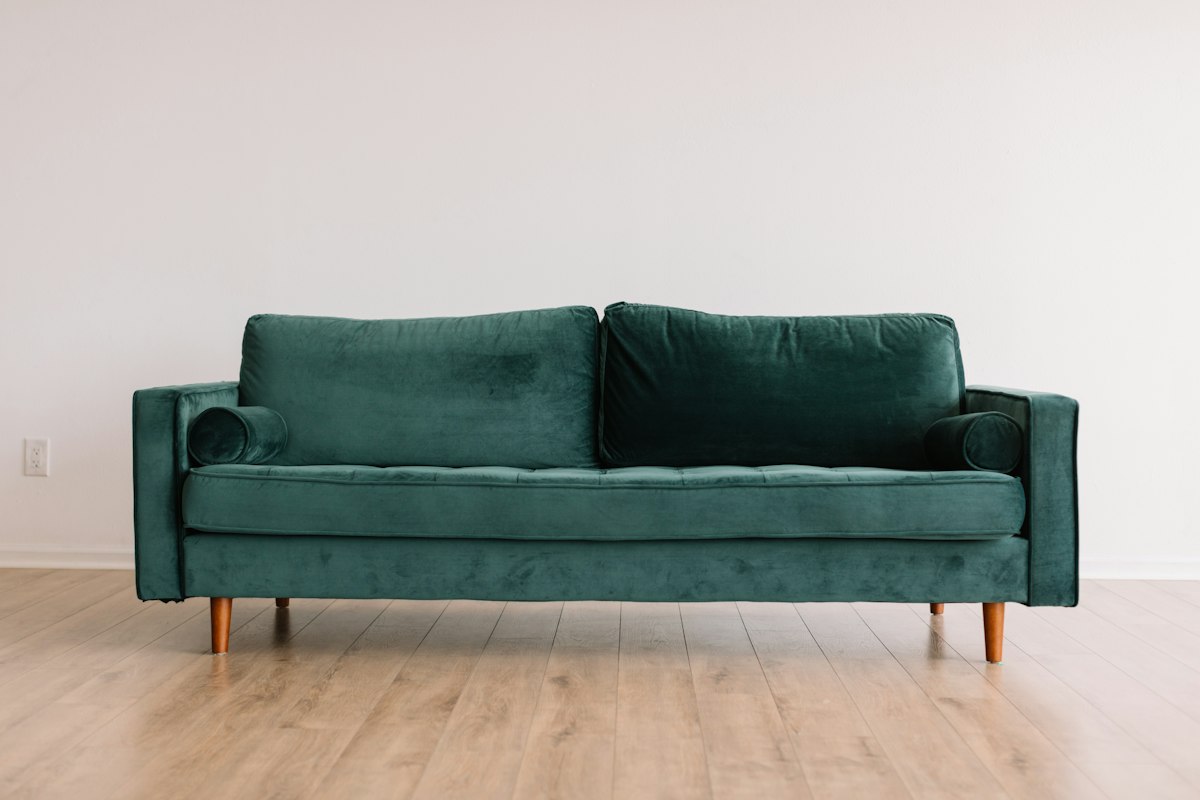
Choosing a sofa is one of the most consequential decisions in home furnishing. A quality sofa will be used for thousands of hours over many years — it will be the centrepiece of your living room, the setting for family evenings, the first thing guests comment on, and the thing that most immediately communicates the character of your home. Getting it right requires navigating a complex array of decisions: size, shape, fabric, construction, comfort, and style. This guide covers everything you need to know.
Step 1: Measure Before You Fall in Love
The single most common and most costly mistake in sofa buying is falling in love with a sofa before measuring the space it needs to occupy. Before visiting any showroom or browsing any website, take these measurements:
- The total wall length where the sofa will sit
- The depth available from the sofa's back position to the nearest obstruction (coffee table, room boundary)
- All doorways, stairwells, and corridors through which the sofa must pass during delivery
- The ceiling height (relevant for very tall back designs)
A sofa that is 10cm too wide for its space will compromise the entire room's flow. A sofa that cannot fit through a doorway will either need to be returned or delivered through a window at significant additional cost. Measure twice, purchase once.
Step 2: Understand Sofa Frame Construction
The quality of a sofa begins with its invisible skeleton — the frame. Premium sofas use kiln-dried hardwood frames (typically beech, oak, or rubberwood) that have been seasoned to prevent warping, cracking, or loosening over time. Joints in a quality frame are corner-blocked and glued, then reinforced with screws — not simply stapled or dowelled.
Lower-quality sofas frequently use softwood, cheaper hardwoods with higher moisture content, or — most problematically — engineered wood (plywood or MDF) that lacks the structural resilience of solid timber. A simple test: pick up one corner of a sofa and observe whether the frame flexes significantly. If it does, that sofa will not retain its shape over years of use.
Step 3: Evaluate the Cushioning
Sofa cushions consist of a core material wrapped in a secondary filling and covered with upholstery fabric. The quality of each layer significantly affects long-term comfort and durability.
Core materials:
- High-resilience foam (HR foam): The best choice for most sofas. Supports weight effectively and returns to its original shape reliably after sustained use. Density of 40 kg/m³ or above indicates good quality.
- Feather and down: Exceptionally luxurious feeling, requires regular "plumping," and is less supportive for extended sitting. Best suited for occasional-use sofas in formal rooms.
- Polyester fibre: Inexpensive and initially comfortable, but flattens and clumps within months of normal use. Avoid in seats expected to receive regular use.
Step 4: Choose the Right Upholstery Material
The choice of upholstery fabric or leather is as much a practical decision as an aesthetic one. Consider your lifestyle honestly: do you have young children or pets? Do you eat meals on the sofa? How much direct sunlight does the room receive?
Fabric Options
- Performance fabrics (e.g., Crypton, Sunbrella woven): Designed to resist staining, moisture, and abrasion. Ideal for family households.
- Linen and linen-look blends: Beautiful natural texture, prone to wrinkling and fading, better suited to lower-traffic rooms.
- Velvet: Luxurious appearance, better durability than its reputation suggests, flattens in high-use areas but can be restored by brushing.
- Wool blends: Excellent durability, natural stain resistance, and a premium tactile quality. Our most recommended fabric option for family homes.
Leather Options
- Full-grain leather: The highest quality. Retains the natural surface of the hide, develops a patina over time, and is exceptionally durable.
- Top-grain leather: Slightly sanded surface, more uniform appearance, very good durability.
- Bonded leather: Made from leather scraps bonded with polyurethane. Cheaper but peels within a few years. Avoid.
Step 5: Consider Size and Configuration
Beyond overall dimensions, the configuration of a sofa has a significant impact on how it functions in a space. Two-seater sofas are rarely sufficient as the primary seating in a family living room. Three-seater sofas are the most versatile option for most rooms. Corner sofas (L-shaped or U-shaped sectionals) are excellent for defining zones in open-plan spaces and maximising seating capacity.
Armless modules and chaise extensions allow configurations to be precisely adapted to unusual room shapes — and can be reconfigured if you move house. This modularity is one of the reasons we recommend our customers consider modular sectional systems when their lifestyle is likely to change (growing families, potential house moves).
Step 6: Test Before You Buy — In Your Own Home
No photograph, no showroom, and no online review can tell you whether a sofa works in your specific room. At Elite Home Interiors, we provide fabric and leather sample swatches that you can take home and assess in your own lighting and alongside your existing furnishings. We also provide a 3D room visualisation as part of our consultation process so you can see how any sofa will look against your actual walls and floor before a single penny is spent.
"The right sofa is not the most expensive one, or the most fashionable one. It is the one that will still feel right in fifteen years — comfortable, proportional, and perfectly suited to how you actually live." — Marcus Reid
Book a Free Sofa Consultation
Our sofa specialists offer free, no-obligation consultations in our Kensington showroom or in your own home. We will guide you through every decision — from frame construction to final fabric selection — to ensure you invest in a sofa you will love for decades. Contact us today to arrange your appointment.