Interior design is never static. Each year brings a fresh evolution of ideas — new materials gain favour, colour palettes shift, and our understanding of how spaces should function deepens. In 2026, the dominant direction in luxury home interiors is a compelling blend of organic warmth, quiet opulence, and deeply personal expression. If you are planning a home refresh, a full renovation, or simply want to update one room to feel more contemporary, this guide covers the 10 most significant trends our designers are working with right now.
1. Warm Earthy Colour Palettes
The cool greys and stark whites of the 2010s have given way to a richer, warmer spectrum. In 2026, the leading base tones are terracotta, warm taupe, burnished ochre, and dusty rose — colours that feel simultaneously contemporary and timeless. These hues work beautifully with natural materials and create interiors that feel nurturing rather than clinical.
The key to working with earthy palettes is layering. A terracotta accent wall works best when it is accompanied by complementary fabrics in warm cream, cognac leather, and aged brass hardware. Our designers often describe the approach as "building a colour story rather than choosing a colour scheme" — each element should reinforce the warmth of the whole rather than compete for attention.
2. Curved Furniture and Soft Silhouettes
The hard, angular furniture of minimalist design has softened considerably. In 2026, curved sofas with kidney-shaped silhouettes, bouclé armchairs with rounded backs, and circular coffee tables are all experiencing a significant moment. This trend is about more than aesthetics — rounded furniture softens the energy of a room, makes spaces feel more inviting, and works particularly well in open-plan living areas that might otherwise feel cavernous.
Our bestselling pieces this year include the Amalfi curved sectional sofa and the Florence rounded bouclé armchair — both of which exemplify this shift away from the 90-degree angle and towards organic, body-welcoming forms.
3. Natural Textures and Tactile Surfaces
Touch has become as important as vision in luxury interior design. Clients increasingly want their homes to feel as good as they look — which means specifying materials that reward physical interaction. In 2026, this translates to handwoven linen cushions, rattan side tables, travertine tabletops, raw-edge oak shelving, and velvet upholstery in deep jewel tones.
The combination of different textures — smooth leather against rough linen, polished stone beside weathered timber — creates a sensory richness that photography cannot fully capture. This is one of the reasons our showroom visits are so valuable: you genuinely have to touch these materials to understand their quality and how they will feel in your home.
4. Biophilic Design: Bringing the Outside In
Biophilic design — the practice of connecting interior spaces with nature — is no longer a niche architectural concept. It has become a mainstream expectation in high-end residential projects. In 2026, this manifests in several ways:
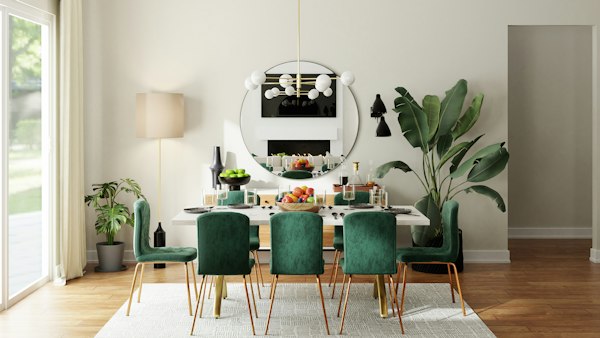
- Large indoor plants as statement design elements (not afterthoughts)
- Living walls and moss installations in hallways and sitting rooms
- Natural light maximisation through strategic mirror placement and light-reflective surfaces
- Furniture made from responsibly sourced solid wood, rattan, and bamboo
- Water features as ambient sound elements in larger properties
The psychological benefits of biophilic design are well documented — exposure to natural materials and living plants reduces cortisol levels, improves focus, and enhances overall sense of wellbeing. Our designers now incorporate biophilic principles as standard in every consultation.
5. Maximalist Accents Against Restrained Backgrounds
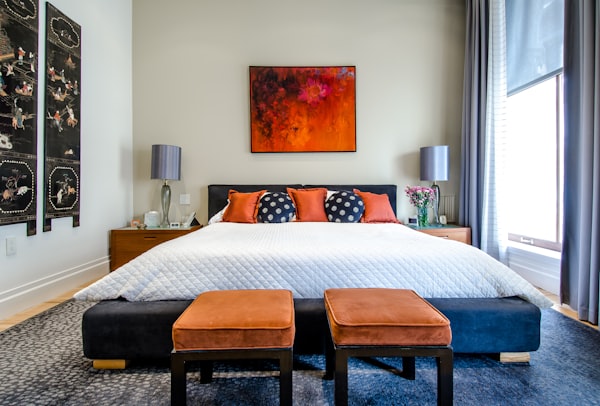
Maximalism has returned — but in a more sophisticated form than the excess of previous decades. In 2026, the approach is to choose a calm, neutral base (a warm greige wall, a simple linen sofa) and then introduce one or two genuinely bold statement pieces: an oversized abstract artwork, a pair of sculptural table lamps in smoked glass, or a deep emerald velvet ottoman.
"The goal is not to fill every surface, but to make every surface count. Restraint creates the stage upon which drama becomes memorable." — Marcus Reid, Head of Interior Design, Elite Home Interiors
6. Statement Ceilings
Interior designers have long advocated for the "fifth wall" — the ceiling — but this trend is now fully mainstream in luxury residential projects. In 2026, expect to see coffered ceilings painted in deep contrasting colours, hand-applied plaster texture effects, decorative moulding on contemporary flat ceilings, and statement pendant installations that treat the ceiling as a destination rather than a background.
7. Multi-Functional Furniture
As homes increasingly need to accommodate remote working, home schooling, exercise, and socialising within the same space, furniture must work harder. In 2026, the most sophisticated multi-functional pieces include extending dining tables with concealed mechanism, ottomans with hidden storage, sofa beds that do not compromise on aesthetic quality, and desks that fold away completely when not in use.
At Elite Home Interiors, we have seen a 40% increase in requests for custom multi-functional furniture over the past two years — and our specialist design team is experienced in creating solutions that serve multiple purposes without looking utilitarian.
8. Warm Metals: Brass, Bronze, and Antique Gold
The cool stainless steel and chrome finishes of the early 2000s have been superseded by warmer metallic tones. In 2026, brushed brass, bronze, and antique gold are the hardware finishes of choice — appearing on cabinet handles, light fittings, plumbing fixtures, and decorative accessories. These metals patinate beautifully over time, meaning they actually improve with age rather than looking dated.
9. Deep, Moody Colour in Unexpected Spaces
Dark, saturated colours — forest green, midnight navy, charcoal plum — are being used with increasing confidence in spaces that convention would have kept pale. Dark hallways feel dramatic and sophisticated rather than oppressive when carefully lit. Deep-coloured studies and home offices create concentration and focus. Even dark bedrooms are growing in popularity, creating a cave-like sense of retreat that supports deep sleep.
10. Personalisation and Provenance
Perhaps the most meaningful trend of 2026 is the rejection of anonymous, mass-produced interiors in favour of spaces that tell a personal story. Our clients are increasingly asking: "Where was this made? Who made it?" They want to display travel finds, inherited pieces, and artisan objects alongside their new furniture — creating homes that feel lived-in and layered with meaning.
At Elite Home Interiors, we actively encourage this approach. Our role is not to present you with a complete "look" from a catalogue but to help you edit and integrate your existing possessions with new pieces that complement them. The result is an interior that feels unmistakably yours.
Final Thoughts
The luxury home trends of 2026 share a common thread: they are all moving towards interiors that feel more human, more sensory, and more personally meaningful. The impersonal showroom aesthetic is giving way to spaces designed for real life — beautiful, tactile, functional, and deeply personal. If you would like to discuss how any of these trends can be incorporated into your home, our design team offers free consultations across the United Kingdom.